
How to Set Price Alerts for Commodities?
Never miss important commodity price movements. Learn to set up price alerts using the best apps and platforms, create effective alert strategies, and avoid alert fatigue.
Commodity markets never sleep. Gold can spike 3% overnight on geopolitical news. Oil might plunge before you wake up due to unexpected inventory data. Silver could break through a key resistance level while you're in a meeting. Missing these critical price movements can mean lost profits, missed buying opportunities, or failing to protect gains at the right time.
The solution? Price alerts. By setting up intelligent, strategic alerts on the commodities you track, you ensure you're notified of important price movements the moment they happen— without needing to obsessively check prices every hour. Whether you're a physical gold buyer waiting for a dip, a trader monitoring crude oil futures, or an investor tracking your commodity portfolio, mastering price alerts transforms you from a passive observer into an informed market participant who captures opportunities as they emerge. This comprehensive guide will show you exactly how to set up effective price alerts, which tools to use, what types of alerts work best, and how to avoid the common pitfall of alert fatigue.
Commodity Price Alerts at a Glance
Best Mobile App
Kitco Gold Live!
Comprehensive alerts for precious metals
Best Web Platform
TradingView
Advanced alerts for all commodities
Alert Types
5 Main Categories
Price level, %, volume, technical, news
Recommended Number
5-10 Active Alerts
Enough coverage, avoids fatigue
Quick Start: Download Kitco or TradingView app → Set 2-3 price level alerts at key support/resistance → Add 1-2 percentage change alerts → Enable push notifications
Why Setting Price Alerts for Commodities Matters
Before diving into the mechanics of setting alerts, let's understand why they're essential for anyone serious about commodity investing or trading:
1. Capture Opportunities in 24/7 Markets
Unlike stocks that trade only during market hours, major commodities trade around the clock. Gold and silver trade continuously across Asian, European, and American sessions. Oil and natural gas futures trade nearly 24 hours a day. Critical price movements often happen while you're sleeping or away from your screen. Price alerts ensure you're notified of important moves regardless of when they occur, so you can respond to opportunities instead of discovering them hours too late.
2. Time Your Purchases Perfectly
If you're planning to buy physical gold, silver, or other commodities, price alerts let you execute at your target price rather than guessing when to pull the trigger. Set an alert at your desired purchase price—say, gold at $2,000 per ounce—and you'll be notified the instant it reaches that level. This precision can save you hundreds or thousands of dollars on larger purchases by ensuring you buy during dips rather than at random times.
3. Protect Your Profits
When you own commodities or commodity investments, alerts help you lock in gains at favorable levels. If you bought gold at $1,800 and it's now at $2,100, you might set an alert at $2,200 to consider taking profits, and another at $2,050 to warn you if it starts pulling back significantly. These protective alerts prevent the frustrating experience of watching profits evaporate because you weren't paying attention.
4. Avoid Obsessive Price Checking
Without alerts, staying informed requires constantly checking prices—a stressful, time-consuming habit that creates anxiety without adding value. Price alerts free you from this compulsion. Instead of checking gold prices 20 times per day "just in case," you can check once or twice knowing your alerts will notify you if anything important happens. This reduces stress while actually improving your market awareness.
5. React to Market-Moving Events
Large price movements often signal important market developments—Federal Reserve policy changes, geopolitical crises, supply disruptions, or shifts in investor sentiment. Percentage change alerts (like "notify me if gold moves more than 2% in one day") ensure you're aware of significant volatility immediately, allowing you to investigate the cause and adjust your strategy accordingly.
The Best Tools and Platforms for Setting Commodity Price Alerts
Different platforms excel at different aspects of price alerting. Here are the best options for various needs:
1. Kitco Gold Live! App (Best for Precious Metals)
If your primary focus is gold, silver, platinum, and palladium, the Kitco app is the gold standard for price alerts.
Key Features:
- Real-time spot price tracking for all major precious metals
- Customizable price alerts for both dollar amounts and percentage changes
- Push notifications to your phone and email alerts
- Breaking news alerts for major market-moving events
- Multiple currency support (USD, EUR, GBP, CAD, AUD, etc.)
- Free to use with no subscription required for basic alerts
- Clean interface makes setting up alerts quick and intuitive
How to Set Alerts on Kitco:
- Download the Kitco Gold Live! app (iOS or Android)
- Open the app and tap the "Alerts" tab
- Tap the "+" button to create a new alert
- Select the metal (gold, silver, platinum, palladium)
- Choose alert type: "Price" for specific price levels or "Change" for percentage movements
- Set your trigger price or percentage
- Choose notification method (push notification, email, or both)
- Save the alert
Best For: Precious metals investors, physical gold/silver buyers, and anyone primarily focused on metals markets. The app's simplicity and reliability make it ideal for beginners.
2. TradingView (Best All-Around Platform)
TradingView offers the most comprehensive and flexible alert system for all commodities, from metals to energy to agriculture.
Key Features:
- Alerts for every commodity imaginable—metals, energy, agriculture, livestock
- Multiple alert types: price level, percentage change, technical indicator crossovers, drawing tools
- Advanced conditional alerts (e.g., "alert me when RSI crosses above 70 AND price breaks $2,100")
- Web-based and mobile app versions with full functionality
- Free tier allows several active alerts; paid tiers offer unlimited alerts
- Integration with charts and technical analysis tools
- Alert sound customization and notification preferences
How to Set Alerts on TradingView:
- Create a free account at TradingView.com or download the app
- Search for your commodity (e.g., "XAUUSD" for gold, "CRUDE OIL" for oil)
- Click the "Alert" button (clock icon) or right-click on the chart and select "Add Alert"
- Set your condition: "Crossing" for a price level, "Crossing Up/Down" for breakouts, or "Greater Than/Less Than" for thresholds
- Enter your target price or select a technical condition
- Choose how often the alert triggers: "Only Once," "Once Per Bar," or "Every Time"
- Set expiration date for the alert (or leave open-ended)
- Configure notifications: popup, sound, email, SMS (paid tiers), or webhook
- Name your alert descriptively (e.g., "Gold breaks $2,100 resistance")
- Click "Create"
Best For: Serious traders, technical analysts, and anyone tracking multiple commodities across different markets. The platform's flexibility makes it ideal for intermediate to advanced users.
3. Investing.com App (Best for Multi-Asset Tracking)
If you track commodities alongside stocks, currencies, and crypto, Investing.com's app provides comprehensive cross-asset alerts.
Key Features:
- Price alerts for commodities, stocks, forex, crypto, and bonds—all in one app
- Economic calendar alerts for market-moving data releases
- News alerts for specific commodities or topics
- Portfolio tracking with automatic alerts for holdings
- Free to use with ads; premium version removes ads and adds features
- Available in 44 languages
How to Set Alerts:
- Download Investing.com app and create a free account
- Search for your commodity in the search bar
- Tap the commodity to view its page
- Tap the bell icon to create an alert
- Select "Price Alert" and choose your condition (above/below a price)
- Enter your target price
- Enable push notifications
- Save the alert
Best For: Investors who track multiple asset classes and want everything in one app. Good for those who want commodity alerts integrated with their broader portfolio.
4. Trading Broker Platforms (Best for Active Futures Traders)
If you actively trade commodity futures, your broker's platform likely offers sophisticated alert capabilities.
Popular Platforms:
- Interactive Brokers TWS: Highly customizable alerts with conditional logic, bracket orders, and automated trading integration
- TD Ameritrade thinkorswim: Technical study alerts, price alerts, and integration with trading strategies
- TradeStation: Advanced alert scripting for custom conditions and automated responses
- NinjaTrader: Real-time alerts tied to charts and market depth, with strategy automation
Best For: Active futures traders who need alerts integrated with their trading platform and execution capabilities. These are more complex but offer the most sophisticated alert logic.
5. Google Alerts and News-Based Services (Best for Fundamental Events)
For tracking news and fundamental developments rather than just price movements:
- Google Alerts: Set up alerts for commodity-related news keywords (e.g., "OPEC production cuts," "gold reserves," "copper supply")
- Bloomberg Terminal (professional/expensive): Comprehensive news alerts with sophisticated filtering
- Reuters Eikon (professional): Real-time news alerts tied to specific commodities
Best For: Fundamental analysts who want to react to news events and supply/demand developments, not just price movements.
Types of Commodity Price Alerts: Choosing the Right Ones
Not all alerts are created equal. Different alert types serve different strategic purposes. Here's a comprehensive breakdown:
1. Price Level Alerts (Most Common)
These trigger when a commodity reaches a specific price, either above or below current levels.
Use Cases:
- Purchase targets: "Alert me when gold drops to $2,000 per ounce so I can consider buying"
- Resistance breakouts: "Alert me when crude oil breaks above $90 per barrel" (a key resistance level)
- Support breakdowns: "Alert me if silver falls below $22 per ounce" (a support level)
- Profit-taking levels: "Alert me when my commodity investment reaches a 20% gain"
- Round number psychology: "Alert me when gold hits $2,100" (traders watch round numbers)
Best Practices:
- Set alerts at technically significant levels (support, resistance, previous highs/lows) rather than arbitrary numbers
- Use round numbers for psychological levels (e.g., $2,000, $50, $100)
- Set both "above" and "below" alerts to catch breakouts in either direction
- Update alerts as price levels change—last month's resistance might be irrelevant now
2. Percentage Change Alerts (Volatility Detection)
These trigger when a commodity moves a certain percentage from a reference point (current price, previous close, or specific base price).
Use Cases:
- Daily volatility: "Alert me if gold moves more than 2% in one day" (signals important market events)
- Portfolio protection: "Alert me if my commodity holdings drop 5% from current value" (risk management)
- Trend acceleration: "Alert me if oil rises 3% intraday" (may signal breakout or major news)
- Reversal detection: "Alert me if copper drops 4% from recent high" (potential trend change)
Best Practices:
- Set thresholds based on the commodity's typical volatility—oil moves more than gold, so use different percentages
- Use 2-3% for significant daily moves in most commodities
- Consider both intraday and daily close percentage changes
- Distinguish between percentage up and percentage down if you have different strategies for each
3. Volume Alerts (Confirming Price Moves)
These trigger when trading volume exceeds certain thresholds, confirming the strength of price movements.
Use Cases:
- Breakout confirmation: "Alert me when gold breaks $2,100 with volume 50% above average" (confirms breakout validity)
- Unusual activity: "Alert me when crude oil futures volume spikes 2x average" (may signal major news)
- Institutional movement: High volume often indicates institutional participation, suggesting more significant moves
Best Practices:
- Combine volume alerts with price alerts for higher-quality signals
- Learn the normal volume patterns for your commodity (e.g., oil futures have different volume patterns than silver)
- Watch for volume spikes during slow periods—they often precede major moves
4. Technical Indicator Alerts (Advanced Trading Signals)
These trigger when technical indicators reach certain conditions, helping identify potential trading opportunities.
Common Technical Alerts:
- Moving average crossovers: "Alert when 50-day MA crosses above 200-day MA" (golden cross—bullish signal)
- RSI extremes: "Alert when RSI drops below 30" (oversold—potential buying opportunity)
- MACD crossovers: "Alert when MACD line crosses above signal line" (bullish momentum)
- Bollinger Band breakouts: "Alert when price breaks above upper Bollinger Band" (potential trend acceleration)
- Price crossing moving averages: "Alert when gold crosses above 200-day MA" (bullish breakout)
Best Practices:
- Use platforms like TradingView that support indicator-based alerts
- Combine multiple indicator alerts for higher-probability setups
- Understand what each indicator measures before setting alerts
- Backtest your indicator combinations to ensure they actually provide useful signals
5. News and Event Alerts
These notify you of fundamental events and news that often move commodity prices.
Important Event Types:
- Inventory reports: EIA crude oil inventories, USDA crop reports, COMEX gold warehouse stocks
- Economic data: CPI inflation data (affects gold), GDP reports, unemployment (affects copper and industrial commodities)
- Central bank announcements: Federal Reserve interest rate decisions (major gold/silver driver)
- Geopolitical events: Middle East tensions (oil), trade policy (agricultural commodities), sanctions (various commodities)
- Supply disruptions: Mine closures, refinery outages, weather events affecting crops
Best Practices:
- Use economic calendars on Investing.com, Bloomberg, or your broker platform
- Enable alerts for high-impact events only—filtering out low-impact noise
- Set calendar reminders 30 minutes before major data releases
- Combine news alerts with price alerts to react when news actually moves markets
Building an Effective Alert Strategy: What Alerts to Set
Having the right types of alerts is important, but knowing which specific alerts to set for your situation is crucial. Here's how to build a strategic alert system:
For Physical Commodity Buyers (Gold, Silver, etc.)
Your primary goal is timing purchases to get the best price.
Recommended Alerts:
- Primary purchase target: Set a price alert at your ideal buying price based on recent support levels or technical analysis. Example: "Alert me when gold reaches $2,000"
- Secondary purchase targets: Set alerts at 2-3 additional lower prices in case the first level doesn't hold. Example: "$1,980, $1,960, $1,940"
- Breakout warning: Set an alert above current price that warns you if the commodity is breaking out higher, suggesting your buying opportunity may be closing. Example: "Alert if gold breaks above $2,100" (tells you to act on current prices or wait for next dip)
- Large daily drop: Set a percentage alert for significant daily declines. Example: "Alert if gold drops 2%+ in one day" (potential buying opportunity)
Total Alerts: 4-6 (manageable and focused on your objective)
For Commodity Investors (Holding ETFs, Stocks, Futures)
Your goals include monitoring your investment value, protecting profits, and identifying rebalancing opportunities.
Recommended Alerts:
- Profit-taking levels: Set alerts at 10%, 20%, and 30% gains from your purchase price. Example: "Bought gold at $1,900; alerts at $2,090, $2,280, $2,470"
- Stop-loss warnings: Set alerts at your maximum acceptable loss levels. Example: "Alert if position drops 10% or 15% from purchase price"
- Key support/resistance: Set alerts at major technical levels that might signal trend changes. Example: "Alert if gold breaks below 200-day moving average"
- Volatility spikes: Set percentage change alerts to identify major market events. Example: "Alert if any commodity holding moves 3%+ in one day"
- Portfolio allocation warnings: If possible, set alerts based on your total commodity exposure. Example: "Alert if commodities grow to 15%+ of total portfolio" (signals rebalancing need)
Total Alerts: 6-10 (more complex strategy requires more alerts)
For Active Commodity Traders
Your goals include identifying trading setups, managing open positions, and catching breakouts.
Recommended Alerts:
- Entry setup alerts: Technical alerts for your trading strategy. Examples: "RSI below 30 at support," "MACD bullish crossover," "Price breaks above 50-day MA"
- Stop-loss levels: Alerts at your predetermined stop prices for open positions. Example: "Alert if gold drops to $2,045" (your stop is $2,040)
- Profit target levels: Alerts at your take-profit prices. Example: "Alert when oil reaches $88" (your target on a long from $85)
- Breakout alerts: Price crossing key levels with volume confirmation. Example: "Alert if copper breaks $4.20 on high volume"
- Time-based alerts: Reminders before major economic data or market events. Example: "Alert 15 minutes before EIA crude oil inventory report"
- Correlation alerts: Watch related markets. Example: "Alert if USD Index drops 1%+" (typically bullish for gold)
Total Alerts: 10-20 (active trading requires comprehensive coverage, but be careful of alert fatigue)
For Market Observers and Learners
You're tracking commodities to learn, stay informed, or prepare for future involvement.
Recommended Alerts:
- Major psychological levels: Round number alerts to catch significant milestones. Examples: "Gold $2,000, $2,100, $2,200" or "Oil $80, $90, $100"
- Large daily moves: Percentage alerts to learn what causes volatility. Example: "Alert if any tracked commodity moves 3%+ in one day"
- All-time highs or multi-year highs: Alerts at historical levels. Example: "Alert if gold approaches $2,200" (near recent highs)
Total Alerts: 3-5 (minimal but educational)
Best Practices for Effective Price Alerts
Setting alerts is easy; setting good alerts that actually improve your results requires following proven best practices:
1. Be Strategic, Not Reactive
Don't set alerts randomly. Each alert should serve a specific purpose aligned with your goals. Before creating an alert, ask yourself: "What will I do when this alert triggers?" If you don't have a clear answer, you probably don't need that alert.
2. Use Tiered Alerts at Multiple Levels
Instead of a single alert at one price, set multiple alerts at different levels to catch various scenarios. For example, if you want to buy gold on a pullback:
- First alert at $2,020 (initial target)
- Second alert at $2,000 (better target)
- Third alert at $1,980 (excellent target)
- Fourth alert at $2,050 (warning that opportunity is fading)
This tiered approach gives you flexibility and prevents "all-or-nothing" thinking.
3. Combine Multiple Alert Types
The strongest signals come from multiple factors aligning. Instead of just a price alert, combine:
- Price reaching a level AND
- Volume above average AND
- RSI showing oversold/overbought
Platforms like TradingView allow complex conditional alerts: "Alert me when gold breaks $2,100 AND RSI is above 60 AND volume is 50% above average." These compound alerts produce fewer but higher-quality signals.
4. Update Alerts Regularly
Markets evolve. Support levels that mattered last month may be irrelevant now. Schedule a weekly 5-minute review of your alerts:
- Delete alerts that triggered and are no longer relevant
- Adjust price levels based on current market structure
- Add new alerts for emerging opportunities
- Remove alerts that are so far from current prices they'll never trigger
5. Name Your Alerts Descriptively
When an alert triggers, you should instantly know what it means. Instead of "Gold $2,100," name it "GOLD BREAKS RESISTANCE - Consider Taking Profit." Instead of "Oil $85," use "OIL HITS BUY TARGET - Review Entry." Descriptive names make alerts actionable rather than just informational.
6. Test Your Notifications
Before relying on alerts for important decisions, test them:
- Set a test alert just above/below current price that will trigger soon
- Verify you receive the notification and actually notice it
- Check that alerts work on your phone, desktop, and via email if you use multiple channels
- Confirm alert sounds are loud enough and distinctive enough to grab your attention
7. Use Different Notification Channels for Different Priorities
Not all alerts are equally urgent. Prioritize your notification channels:
- Critical alerts (stop-losses, major breakouts): Push notification + sound + email
- Important alerts (profit targets, entry setups): Push notification + email
- Informational alerts (round number milestones): Email only, check when convenient
8. Set Time Constraints When Appropriate
Some alerts are only relevant for a limited time. If you're watching for a buying opportunity over the next two weeks, set your alerts to expire after that period. This prevents outdated alerts from triggering months later when market conditions have completely changed.
Avoiding Alert Fatigue: The Biggest Pitfall
Alert fatigue is the single biggest problem with price alerts. When you receive too many alerts, they lose their effectiveness. You start ignoring them, missing the truly important signals buried among the noise.
Signs You Have Alert Fatigue
- You habitually dismiss alerts without reading them carefully
- You receive more than 10 alerts per day
- Most alerts don't lead to any action or meaningful information
- You've disabled alert sounds because they were too annoying
- You feel stressed or anxious when you hear an alert notification
How to Prevent Alert Fatigue
1. Limit Total Active Alerts:
Restrict yourself to 5-10 active alerts maximum. If you need to add a new one, delete an old one first. This forces you to prioritize only the most important levels.
2. Increase Alert Thresholds:
If your percentage change alerts trigger too often, increase the threshold. Instead of "alert me for 1% moves," use 2% or 3%. You'll miss some minor movements but catch the truly significant ones without the noise.
3. Use "Once Only" Instead of "Repeated" Triggers:
Most platforms let you choose whether an alert triggers once or every time conditions are met. Unless you have a specific reason for repeated alerts, use "once only" to prevent multiple notifications for the same event.
4. Focus on Actionable Alerts Only:
Delete any alert that doesn't lead to a specific action. If gold hitting $2,080 doesn't change any of your decisions, you don't need an alert there. Every alert should answer: "If this triggers, I will [specific action]."
5. Use Wider Alert Zones for Less Important Levels:
Instead of alerts at $2,100, $2,105, $2,110, $2,115, set them at $2,100, $2,120, $2,140. Wider spacing reduces frequency while still covering the important range.
6. Batch Review Non-Critical Alerts:
For informational or learning alerts, disable immediate push notifications and instead check them once or twice daily. Use email alerts or a separate alert list you review on your schedule rather than having them interrupt you constantly.
7. Take Regular Alert "Cleanses":
Once per month, delete ALL your alerts and start fresh. This forces you to reconsider what's actually important right now rather than maintaining alerts from weeks ago that are no longer relevant.
Why Mastering Price Alerts Matters for Your Success
Effective price alert usage isn't just a convenience—it's a competitive advantage that directly improves your commodity investing results:
- Capture Opportunities You'd Otherwise Miss: Commodity markets move 24/7. Without alerts, you'll sleep through gold's 2% overnight surge on geopolitical news or miss oil's perfect buying dip at 3 AM when Asian markets open. Alerts ensure you're notified of important moves regardless of when they happen, dramatically expanding the opportunities you can capture.
- Make Rational Decisions, Not Emotional Ones: When you set alerts during calm, analytical moments, they help you execute pre-planned strategies rather than making impulsive decisions in the heat of market action. The alert at $2,000 that you set last week based on careful analysis is far more trustworthy than your emotional reaction to seeing gold at $2,010 and wondering if you should buy.
- Save Time and Reduce Stress: Instead of obsessively checking prices 20 times per day (which adds zero value), you can check once or twice knowing your alerts are watching for you. This frees mental energy for analysis, research, and actually living your life while still staying informed about important developments.
- Improve Your Timing Significantly: Physical gold buyers using strategic alerts can save hundreds of dollars per ounce by buying during optimal dips rather than at random times. Traders can enter positions at precisely planned levels rather than chasing moves or missing them entirely. This timing advantage compounds massively over time.
- Develop Market Discipline: Alerts force you to think strategically about markets. When you must decide "at what price level does this matter?" you're forced to do actual analysis rather than passive watching. This discipline—thinking in terms of specific prices, scenarios, and responses—is what separates successful commodity investors from amateur observers.
The difference between investors who use alerts strategically and those who don't is stark. Alert users consistently buy at better prices, avoid panic selling, capture opportunities during overnight sessions, and maintain portfolio discipline. Non-users rely on luck and random timing, often buying near tops when prices are on their radar and missing bottoms when they're not paying attention.
Common Price Alert Mistakes to Avoid
Mistake 1: Setting Alerts and Forgetting Them
Many people set alerts and never update them. Markets evolve—last month's critical resistance might be completely irrelevant now. Review and update your alerts weekly to ensure they remain relevant to current market structure.
Mistake 2: Too Many Alerts Too Close Together
Setting alerts at $2,100, $2,102, $2,104, $2,106 creates alert spam without adding value. Use meaningful spacing based on the commodity's normal trading range. For gold, $10-20 spacing makes sense; for oil, $2-5; for silver, $0.50-1.00.
Mistake 3: Alerts Without Action Plans
An alert that triggers but produces no action is just noise. Before setting each alert, clearly define: "When this triggers, I will [specific action]." If you can't complete that sentence, you don't need that alert.
Mistake 4: Relying Solely on Price Alerts
Price reaching a level doesn't guarantee anything. Combine price alerts with confirmation—check the chart, read recent news, verify volume. An alert gets you to pay attention; your analysis determines your action.
Mistake 5: Ignoring Time Zones and Market Hours
Commodity markets have different liquidity at different times. Gold might hit your alert at 3 AM during thin Asian trading, creating a false signal. Understand when your commodity has peak liquidity and weight alerts during those times more heavily.
Related Topics on SpotMarketCap
Conclusion: Turning Alerts into Your Competitive Advantage
Price alerts are one of the simplest yet most powerful tools available to commodity investors and traders. They extend your market awareness to 24/7 coverage, ensure you never miss important opportunities, and help you execute pre-planned strategies with precision—all without requiring obsessive price checking or constant market monitoring.
The key to success isn't setting hundreds of alerts on every possible price level. It's being strategic: identifying the 5-10 most important levels or conditions for your current situation, setting well-designed alerts for those specific scenarios, and disciplining yourself to act on them when they trigger. Quality over quantity applies perfectly to price alerts.
Start simple today. Download the Kitco app if you focus on precious metals, or create a free TradingView account for broader commodity coverage. Set just 3-5 initial alerts at prices that would genuinely change your decisions—whether that's a buying target, a profit-taking level, or a warning that your investment is approaching stop-loss territory. Test those alerts to ensure you receive and notice them. Then refine your system over the coming weeks based on what proves useful versus what creates noise.
Remember: the purpose of price alerts isn't to react to every minor fluctuation or to eliminate all market uncertainty. The purpose is to ensure you're aware of truly significant developments the moment they occur, giving you the opportunity to make informed decisions rather than discovering important moves hours or days too late. This awareness—combined with sound analysis and disciplined execution—is what separates successful commodity investors from those who rely on luck and hope.
Markets don't wait for you to check prices. Set strategic alerts, let them watch the markets 24/7 on your behalf, and you'll never miss another important opportunity in commodities you care about. Your future self—the one who bought gold at the perfect dip or sold oil at the ideal peak—will thank you for setting up effective alerts today.
Track Real-Time Asset Prices
Get instant access to live cryptocurrency, stock, ETF, and commodity prices. All assets in one powerful dashboard.
Related Articles

How to Start Investing in Commodities?
Complete beginner's guide to commodity investing. Learn about ETFs, futures, stocks, and physical commodities. Discover the best brokers, strategies, and how to get started with as little as $50.
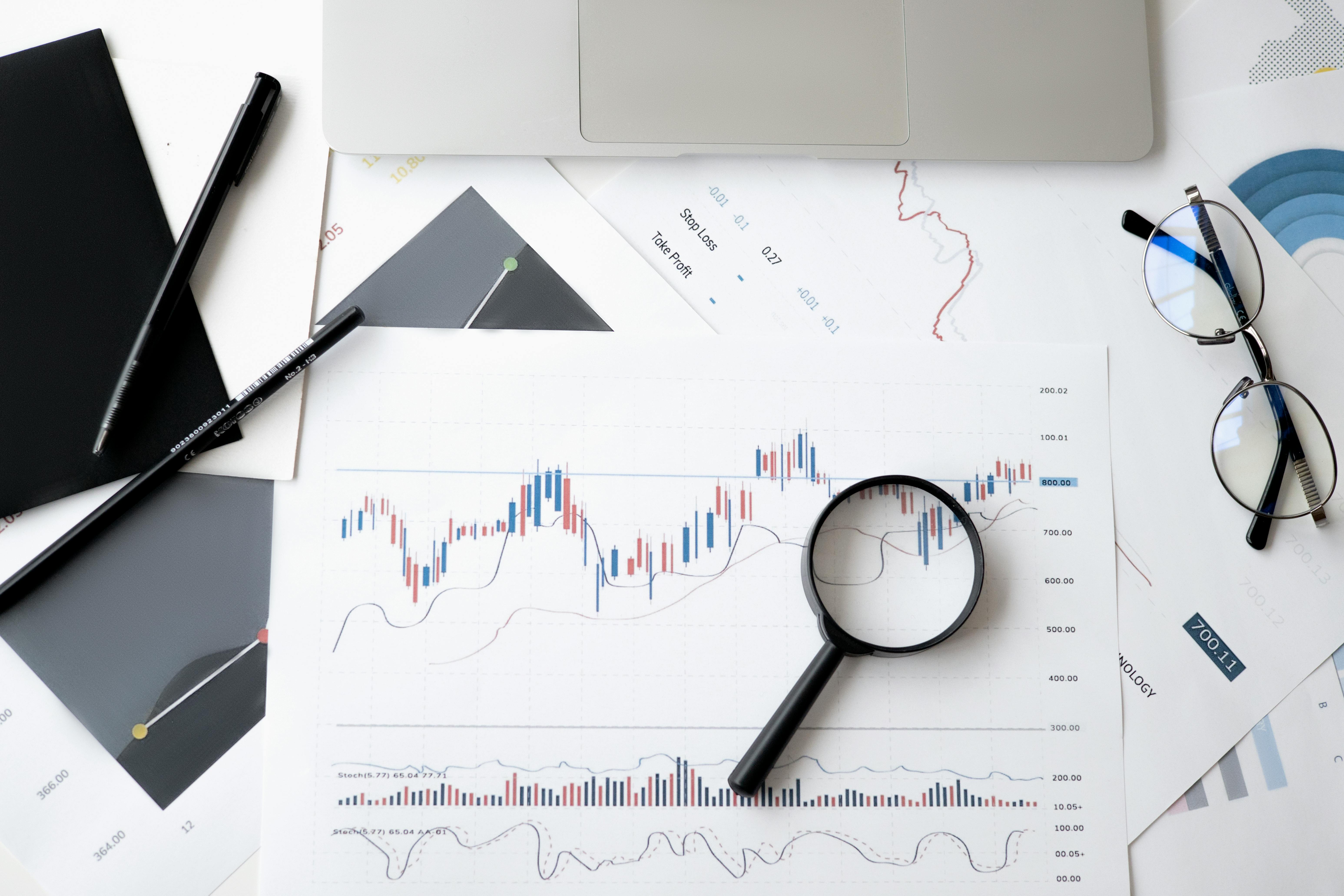
How to Read a Commodity Chart?
Master commodity chart reading with our complete guide. Learn candlesticks, support/resistance, technical indicators (RSI, MACD), and how to identify trading opportunities like a pro.
How to Track Gold Prices Daily?
Track gold prices like a professional with the best apps, websites, and alert systems. Learn to monitor real-time spot prices, set price alerts, and never miss important market movements.