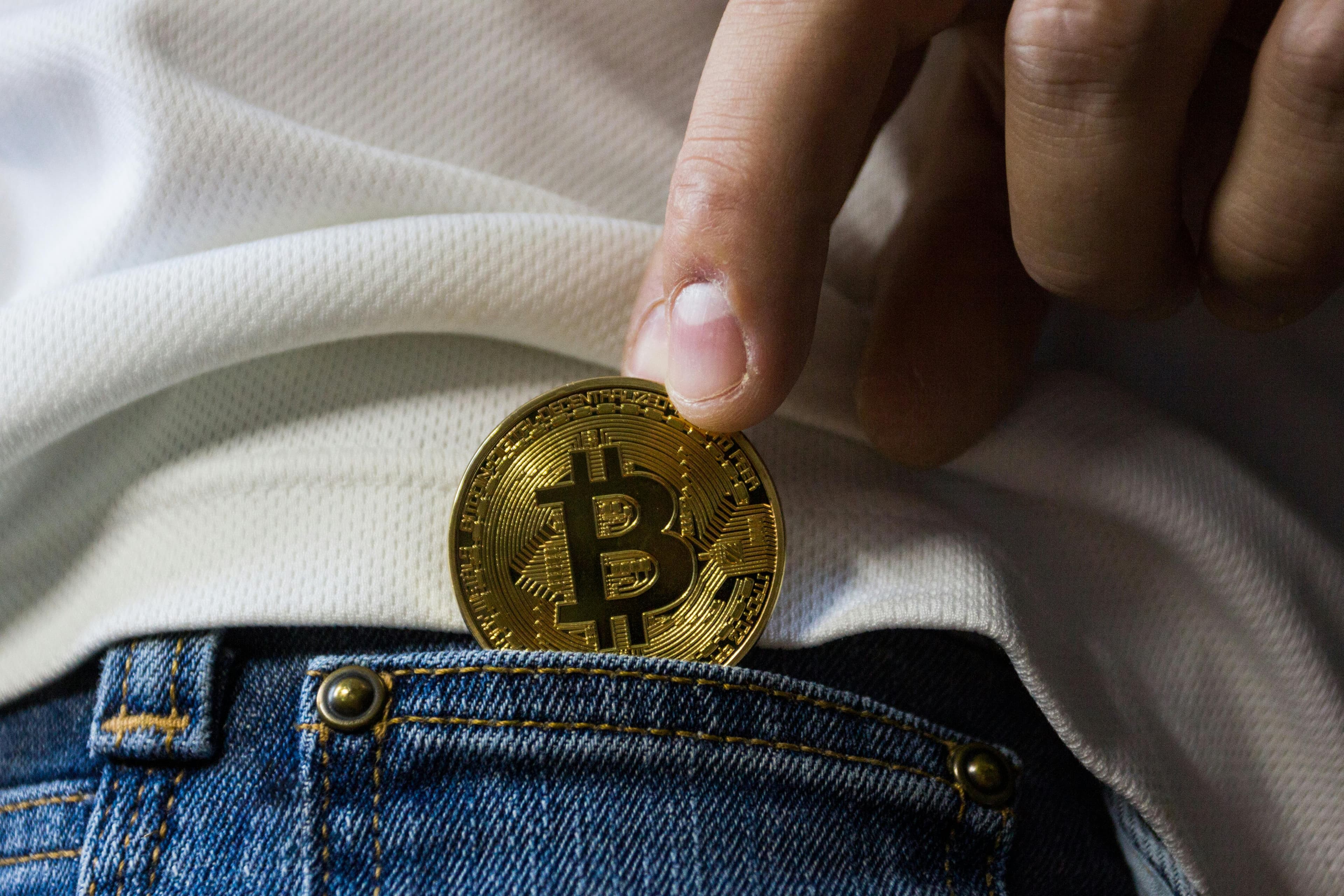
What is Cryptocurrency Mining? Digital Currency Creation
Master cryptocurrency mining covering proof of work, mining hardware (ASICs, GPUs), mining pools, profitability factors, environmental concerns, and getting started guide.
Cryptocurrency mining is one of the most fascinating and misunderstood aspects of the digital currency revolution. It's the foundational process that secures blockchain networks, validates transactions, and creates new coins—all without any central authority. Whether you're curious about the technical mechanics, interested in mining as an investment, or simply want to understand how Bitcoin and other cryptocurrencies actually work, this comprehensive guide will walk you through everything you need to know.
Mining isn't just about generating digital coins—it's the backbone of decentralized trust. Every time you send Bitcoin to someone, miners around the world compete to validate that transaction and add it permanently to the blockchain. In return for this computational work, they earn newly minted cryptocurrency and transaction fees. This elegant system creates a self-sustaining network where economic incentives align with network security.
Cryptocurrency Mining at a Glance
Primary Purpose
Transaction Validation
Securing the blockchain network
Miner Reward
New Coins + Fees
Block reward varies by coin
Bitcoin Block Time
~10 Minutes
Difficulty adjusts automatically
Global Hash Rate (BTC)
450+ EH/s
Exahashes per second
Example: Bitcoin miners solve complex mathematical puzzles approximately every 10 minutes, earning 6.25 BTC (as of 2024, halving to 3.125 BTC in 2024) plus transaction fees per block.
What is Cryptocurrency Mining?
Cryptocurrency mining is the process by which new cryptocurrency coins are created and transactions are verified and added to a blockchain's public ledger. Miners use powerful computers to solve complex mathematical problems that validate blocks of transactions. When a miner successfully solves a problem, they add a new block to the blockchain and receive a reward in the form of cryptocurrency.
Think of mining as a global competition where thousands of computers race to solve a mathematical puzzle. The first computer to find the correct solution wins the right to add the next block of transactions to the blockchain and claims the block reward. This competitive process ensures that no single entity controls the network, making cryptocurrencies truly decentralized.
The Core Components of Mining
Mining involves several key elements working together:
- Transaction Validation: Miners verify that cryptocurrency transactions are legitimate—ensuring users have sufficient funds and haven't spent the same coins twice
- Block Creation: Validated transactions are grouped together into blocks, which are added to the blockchain in chronological order
- Proof of Work: Miners perform computational work to solve cryptographic puzzles, proving they've expended real computational resources
- Network Security: The combined mining power makes it economically infeasible for attackers to alter the blockchain's history
- Coin Distribution: New cryptocurrency is distributed to miners as a reward for their work, creating a fair and predictable supply schedule
Why is it Called "Mining"?
The term "mining" draws a deliberate parallel to gold mining. Just as gold miners expend energy and resources to extract precious metal from the earth, cryptocurrency miners expend computational energy to extract digital coins from the protocol. Both processes require significant investment, create scarcity through limited supply, and reward those who dedicate resources to the effort.
However, unlike gold mining which extracts finite resources, cryptocurrency mining creates digital assets while simultaneously securing a global financial network—providing dual value that traditional mining cannot match.
How Does Cryptocurrency Mining Work? Understanding Proof of Work
The most common mining mechanism is called Proof of Work (PoW), pioneered by Bitcoin and used by many major cryptocurrencies. Understanding how PoW works is essential to grasping why mining exists and why it's so resource-intensive.
The Proof of Work Process
Here's what happens during the mining process, step by step:
- Transaction Collection: Miners gather unconfirmed transactions from the network's memory pool (mempool) and select which ones to include in their candidate block, typically prioritizing transactions with higher fees
- Block Construction: The miner creates a block containing the selected transactions, the previous block's hash (creating the chain), and a special number called a "nonce" (number used once)
- Hash Generation: The miner runs the entire block through a cryptographic hash function (SHA-256 for Bitcoin), which produces a unique 256-bit number—the block's hash
- Difficulty Target: For the block to be valid, the hash must be lower than the network's current difficulty target—essentially, it must start with a certain number of zeros
- Nonce Modification: If the hash doesn't meet the target, the miner changes the nonce and tries again. Modern miners can test billions or trillions of nonces per second
- Solution Discovery: Eventually, a miner finds a nonce that produces a valid hash. This is the "proof of work"—evidence that computational resources were expended
- Block Broadcast: The successful miner broadcasts the solved block to the network, where other nodes verify it and add it to their copy of the blockchain
- Reward Collection: The miner receives the block reward (newly created cryptocurrency) plus all transaction fees from the included transactions
Why This System Works
Proof of Work creates security through computational difficulty. Finding a valid hash is extremely hard and requires massive computational power—but verifying that a solution is correct takes almost no time at all. This asymmetry means:
- Attackers face massive costs: To alter past transactions, an attacker would need to redo all the computational work for that block and every subsequent block—requiring more computing power than the rest of the network combined
- Honest mining is incentivized: It's far more profitable to use computing power to mine legitimately and earn rewards than to attack the network
- Decentralization is preserved: Anyone with adequate hardware can participate in mining, preventing any single entity from controlling the network
- Network security scales with value: As cryptocurrency prices rise, mining becomes more profitable, attracting more miners and increasing security
Mining Difficulty and Adjustment
To maintain consistent block times regardless of total mining power, most cryptocurrencies automatically adjust their mining difficulty. Bitcoin, for example, targets a 10-minute block time:
- If blocks are being mined faster than every 10 minutes (meaning more mining power has joined), the difficulty increases
- If blocks take longer than 10 minutes (meaning mining power has decreased), the difficulty decreases
- Bitcoin adjusts difficulty every 2,016 blocks (approximately every two weeks)
This elegant self-regulating system ensures that no matter how much computing power exists globally, new Bitcoin blocks will always be found approximately every 10 minutes, maintaining predictable issuance and network stability.
Mining Hardware: From CPUs to ASICs
The evolution of cryptocurrency mining hardware reflects the industry's maturation and the increasing competition for block rewards. What started as a hobbyist activity on personal computers has become a professional industry requiring specialized equipment.
The Evolution of Mining Hardware
CPU Mining (2009-2010): In Bitcoin's earliest days, enthusiasts mined using their computer's central processing unit (CPU). Standard desktop processors could find blocks regularly when competition was minimal. However, CPUs are general-purpose processors and relatively inefficient at the repetitive calculations mining requires.
GPU Mining (2010-2013): Graphics processing units (GPUs) revolutionized mining. Originally designed for rendering graphics and gaming, GPUs contain thousands of smaller processing cores optimized for parallel computation—perfect for testing millions of hash combinations simultaneously. A single high-end GPU could outperform dozens of CPUs, making GPU mining the standard for several years.
FPGA Mining (2011-2013): Field-programmable gate arrays (FPGAs) represented a middle stage between GPUs and ASICs. These customizable chips could be programmed specifically for mining algorithms, offering better efficiency than GPUs but requiring significant technical expertise to configure properly. FPGAs never gained mainstream adoption among miners.
ASIC Mining (2013-Present): Application-specific integrated circuits (ASICs) are custom-designed chips built for one purpose: mining a specific cryptocurrency using a specific algorithm. Modern Bitcoin ASICs can compute trillions of hashes per second while being far more energy-efficient than GPUs. ASICs represent the current state-of-the-art for mining major cryptocurrencies.
Modern ASIC Miners
Today's leading ASIC miners are technological marvels:
- Hash Rate: Top models like the Antminer S19 XP deliver 140+ TH/s (terahashes per second)—140 trillion hash calculations every second
- Power Consumption: Modern ASICs consume 3,000-5,000 watts, requiring dedicated electrical infrastructure and cooling systems
- Cost: High-performance ASICs cost $2,000-$15,000+ per unit, with prices fluctuating based on cryptocurrency values and chip availability
- Lifespan: ASICs typically remain competitive for 2-4 years before newer, more efficient models make them obsolete
- Noise and Heat: These devices produce significant noise (70-80 decibels) and heat, requiring proper ventilation or dedicated facilities
GPU Mining for Altcoins
While ASICs dominate Bitcoin mining, GPU mining remains viable for certain cryptocurrencies that use ASIC-resistant algorithms or for coins where ASIC development hasn't occurred. GPU mining offers several advantages:
- Flexibility: GPUs can switch between different cryptocurrencies, allowing miners to pursue the most profitable option
- Resale Value: Unlike ASICs, GPUs have value beyond mining (gaming, AI computing, graphics work)
- Lower Entry Barrier: Used gaming GPUs provide an accessible entry point for beginners
- Algorithm Variety: GPUs can mine Ethereum Classic, Ravencoin, Ergo, and many other GPU-friendly cryptocurrencies
However, Ethereum's transition from Proof of Work to Proof of Stake in September 2022 eliminated the largest and most profitable GPU mining opportunity, significantly changing the GPU mining landscape.
Mining Pools: Why Solo Mining is Rare
As mining difficulty has increased, solo mining—where an individual miner attempts to find blocks independently—has become impractical for most participants. The solution? Mining pools.
What are Mining Pools?
A mining pool is a collective of miners who combine their computational power and share block rewards proportionally based on their contributed hash rate. Instead of competing against each other, pool members cooperate to find blocks more frequently and receive steady, predictable income.
How Mining Pools Work
- Hash Power Aggregation: Miners connect their hardware to the pool's server, which coordinates their collective efforts
- Work Distribution: The pool assigns different sections of the hash space to different miners, ensuring no duplicated effort
- Share Submission: Miners submit "shares"—proof they're actively working, even if they haven't found a complete solution
- Block Discovery: When any pool member finds a valid block, the entire pool receives the reward
- Reward Distribution: The pool distributes rewards based on each miner's contributed shares, minus a pool fee (typically 1-3%)
Benefits of Pool Mining
- Predictable Income: Instead of potentially waiting months or years for a solo block, pool miners receive small payments regularly (often daily or weekly)
- Lower Variance: Income is smoothed over time, reducing the feast-or-famine nature of solo mining
- Accessible to Small Miners: Even miners with limited hash power can earn meaningful returns through pool participation
- Reduced Technical Complexity: Pools handle much of the technical infrastructure, making mining more accessible
Popular Mining Pools
Major cryptocurrency mining pools include:
- Foundry USA: Largest Bitcoin mining pool, approximately 30% of network hash rate
- AntPool: Operated by Bitmain, one of the oldest and largest pools
- F2Pool: Multi-cryptocurrency pool supporting Bitcoin, Ethereum Classic, Litecoin, and others
- ViaBTC: Supports multiple cryptocurrencies with competitive fee structures
- Binance Pool: Operated by Binance exchange, offering integrated mining and trading
Pool Centralization Concerns
While mining pools provide practical benefits, they also raise centralization concerns. If a single pool controls more than 51% of network hash rate, it could theoretically attack the blockchain. The cryptocurrency community generally monitors pool distribution closely, and miners often switch pools if any single pool grows too large, maintaining decentralization through active participation.
Mining Profitability: What Determines Mining Returns?
Mining profitability is never guaranteed and fluctuates based on numerous interconnected factors. Understanding these variables is crucial for anyone considering mining as an investment.
Key Profitability Factors
1. Cryptocurrency Price
The market price of the cryptocurrency being mined is the single most important profitability factor. Since miners earn rewards in cryptocurrency but pay expenses in fiat currency (electricity, hardware), rising prices dramatically improve profitability while falling prices can quickly make mining unprofitable.
2. Mining Difficulty
As more miners join the network, difficulty increases, reducing the expected return for each unit of hash power. During cryptocurrency bull markets, rising prices attract new miners, which increases difficulty and partially offsets price gains. Conversely, during bear markets, miners exit and difficulty decreases, helping remaining miners stay profitable.
3. Block Rewards and Halving Events
Bitcoin and many cryptocurrencies have programmed reward reductions. Bitcoin's block reward halves approximately every four years:
- 2009-2012: 50 BTC per block
- 2012-2016: 25 BTC per block
- 2016-2020: 12.5 BTC per block
- 2020-2024: 6.25 BTC per block
- 2024-2028: 3.125 BTC per block (estimated)
Each halving reduces miner revenue by 50% unless offset by price increases or efficiency improvements.
4. Electricity Costs
Electricity is miners' largest ongoing expense, typically representing 60-90% of operating costs. Mining profitability varies dramatically by location:
- Cheap electricity ($0.02-0.05 per kWh): Mining highly profitable even during market downturns
- Average electricity ($0.08-0.12 per kWh): Mining viable during favorable market conditions
- Expensive electricity ($0.15+ per kWh): Mining rarely profitable, even with efficient hardware
Professional miners seek the cheapest electricity sources: hydroelectric power, stranded natural gas, industrial-scale renewable energy, or regions with energy surpluses.
5. Hardware Efficiency
Mining hardware efficiency is measured in hash rate per watt (H/W or TH/W for terahashes per watt). More efficient miners generate more hashes using less electricity, providing a competitive advantage. Older, less efficient hardware becomes unprofitable first during difficult market conditions.
6. Hardware Costs and Depreciation
The upfront cost of mining equipment and its depreciation rate significantly impact profitability. Miners must recover their initial investment before achieving net profit. Additionally, hardware resale value declines as newer, more efficient models emerge.
7. Transaction Fees
Beyond block rewards, miners earn transaction fees from users. During high network congestion, fees can represent 20-50% of miner revenue. As block rewards decrease through halvings, transaction fees will become increasingly important for mining economics.
Calculating Mining Profitability
Basic mining profitability calculation:
Daily Revenue = (Your Hash Rate / Network Hash Rate) × Daily Block Rewards × Coin Price
Daily Profit = Daily Revenue - (Power Consumption × Hours × Electricity Cost) - Pool Fees
However, these calculations provide only snapshots. Successful miners model various scenarios, considering price volatility, difficulty trends, and potential hardware appreciation or depreciation.
Environmental Concerns and Energy Consumption
Cryptocurrency mining's environmental impact has become a major topic of discussion, criticism, and innovation. Understanding the facts and context is essential for informed perspectives.
The Scale of Mining Energy Use
Bitcoin mining consumes approximately 150-200 TWh (terawatt-hours) of electricity annually, comparable to countries like Argentina or the Netherlands. This substantial energy consumption raises legitimate environmental concerns, particularly when powered by fossil fuels.
Environmental Context and Nuance
However, several factors complicate simplistic environmental narratives:
- Energy Source Mix: Studies suggest 40-75% of Bitcoin mining uses renewable energy, significantly higher than many industries. Miners gravitate toward the cheapest electricity, which is often stranded renewable energy (hydroelectric dams, wind farms, solar installations in remote locations)
- Grid Balancing: Mining operations can act as flexible energy consumers, ramping up when renewable generation exceeds demand and shutting down during peak demand, potentially helping stabilize electrical grids
- Methane Mitigation: Some miners use vented methane from oil wells or landfills as energy sources, converting a potent greenhouse gas into CO2 while generating electricity
- Comparison to Traditional Systems: Bitcoin's energy use should be compared not just to other industries but to the traditional financial system it potentially replaces, including banks, data centers, ATMs, and payment processors
Industry Responses to Environmental Concerns
The cryptocurrency industry has responded to environmental criticism in several ways:
- Proof of Stake Transition: Ethereum's shift from Proof of Work to Proof of Stake reduced its energy consumption by approximately 99.95%, demonstrating that alternative consensus mechanisms can maintain security with minimal energy
- Renewable Energy Adoption: Major mining operations increasingly commit to 100% renewable energy or carbon-neutral operations
- Efficiency Improvements: Each generation of mining hardware delivers significantly better energy efficiency, reducing electricity per hash
- Transparency Initiatives: Industry groups like the Bitcoin Mining Council publish energy mix and efficiency data to increase transparency
The Energy Security Debate
Proponents argue that energy consumption itself isn't inherently problematic—what matters is the energy source and value created. They contend that a censorship-resistant, decentralized financial system provides sufficient value to justify its energy use, particularly when powered by renewable sources. Critics counter that any energy consumption for financial speculation is wasteful compared to more efficient alternatives.
This debate continues to evolve as the industry matures and renewable energy adoption increases.
Bitcoin Mining vs. Altcoin Mining: Key Differences
While the fundamental mining concept remains consistent across cryptocurrencies, important differences exist between Bitcoin mining and mining alternative cryptocurrencies (altcoins).
Bitcoin Mining Characteristics
- Algorithm: SHA-256, heavily optimized for ASIC mining
- Hardware: Requires specialized ASICs; GPU and CPU mining completely uncompetitive
- Competition: Extremely high, with massive industrial operations dominating
- Difficulty: Highest among all cryptocurrencies, reflecting its position as the most valuable and secure network
- Profitability Threshold: Requires very cheap electricity and latest-generation hardware for profitability
- Network Security: Most secure blockchain due to immense hash power protecting it
Altcoin Mining Characteristics
Different altcoins offer varying mining opportunities:
GPU-Mineable Coins (Ethereum Classic, Ravencoin, Ergo):
- Use algorithms designed to resist ASIC dominance
- Allow GPU miners to remain competitive
- Lower hardware costs and greater flexibility
- Generally lower difficulty than Bitcoin
- Higher price volatility affects profitability
ASIC-Mineable Altcoins (Litecoin, Dogecoin, Bitcoin Cash):
- Require specialized ASICs for competitive mining
- Often use different algorithms than Bitcoin (e.g., Scrypt for Litecoin)
- Lower competition than Bitcoin but still significant
- ASICs often mine multiple coins using the same algorithm simultaneously
CPU-Mineable Coins (Monero, Aeon):
- Designed to be mined efficiently on consumer CPUs
- Emphasize decentralization and resistance to specialized hardware
- Lower barriers to entry but also lower potential profits
- Regularly update algorithms to maintain CPU-mining viability
Choosing What to Mine
Deciding which cryptocurrency to mine depends on several factors:
- Available hardware (ASIC, GPU, or CPU)
- Electricity costs and availability
- Initial capital for investment
- Risk tolerance (established coins vs. newer, more speculative options)
- Long-term belief in specific projects
- Ability to adapt to changing market conditions
Many miners use profitability calculators and auto-switching mining software to maximize returns by automatically mining the most profitable coin at any given moment.
Risks and Challenges in Cryptocurrency Mining
Mining involves substantial risks that potential miners must understand before investing significant capital.
Financial Risks
- Price Volatility: Cryptocurrency prices can drop 50-90% during bear markets, potentially making mining unprofitable for extended periods while fixed costs continue
- Difficulty Increases: Rising mining difficulty can reduce profitability faster than hardware efficiency improvements offset it
- Hardware Obsolescence: Mining equipment becomes outdated quickly, with resale values dropping dramatically as newer models emerge
- Halving Events: Scheduled reward reductions cut revenue by 50% overnight, requiring corresponding price increases to maintain profitability
- Upfront Capital Requirements: Professional mining requires $10,000-$100,000+ in initial investment before generating any revenue
Operational Risks
- Hardware Failure: Mining equipment runs 24/7 under stress, leading to failures, warranty issues, and downtime
- Cooling and Ventilation: Inadequate cooling causes hardware damage, reduced performance, and fire risks
- Noise Pollution: Mining operations produce 70-80 decibels continuously, creating problems in residential areas
- Electrical Infrastructure: Standard residential electrical systems can't handle multiple high-wattage miners, requiring expensive upgrades
- Internet Connectivity: Reliable, low-latency internet is essential; outages mean lost mining time and revenue
Regulatory and Legal Risks
- Government Bans: Some jurisdictions have banned or severely restricted cryptocurrency mining (China, several other countries)
- Taxation Complexity: Mining income taxation varies by jurisdiction, with complex reporting requirements
- Energy Restrictions: Some regions impose energy consumption limits or additional taxes on high-consumption activities
- Zoning Regulations: Residential zoning may prohibit commercial mining operations
Security Risks
- Theft: Mining hardware and accumulated cryptocurrency are attractive targets for thieves
- Hacking: Miners must secure their mining rewards, wallet access, and pool accounts from cybercriminals
- Scams: Cloud mining scams, fraudulent hardware sellers, and Ponzi schemes target aspiring miners
Why Understanding Cryptocurrency Mining Matters
Whether you mine yourself or simply hold cryptocurrency, understanding mining's role is crucial for grasping how blockchain networks function and maintain security. Here's why mining knowledge matters for your investment strategy:
- Network Security Indicator: Mining hash rate reflects network security. Higher hash rates mean greater security against attacks, making the cryptocurrency more trustworthy as a store of value or payment system. When hash rate declines, it signals potential vulnerability or miner capitulation, often preceding price movements.
- Supply Understanding: Mining controls cryptocurrency supply issuance. Understanding block rewards, halving schedules, and maximum supply helps you predict future scarcity and potential price impacts. Bitcoin's programmed scarcity through mining is fundamental to its value proposition.
- Market Cycle Timing: Miner behavior offers market insights. When miners hold mined coins, it signals confidence in future prices. When they sell aggressively, it suggests capitulation or cash flow stress, often occurring near market bottoms. Monitoring miner reserves and hash rate provides valuable trading signals.
- Investment Opportunities: Mining can diversify cryptocurrency exposure. While direct investment in Bitcoin exposes you to price volatility, mining generates income regardless of price—provided operational profitability. Some investors balance spot holdings with mining operations or mining-related stocks.
- Environmental and Sustainability Considerations: As ESG (environmental, social, governance) investing grows, understanding mining's energy consumption and sustainability efforts helps you make informed decisions about which cryptocurrencies align with your values and long-term viability concerns.
Mining isn't just the creation of new coins—it's the decentralized consensus mechanism that makes trustless digital money possible. Every transaction you make is validated by miners worldwide, creating a global financial system with no central authority. This revolutionary concept has profound implications for finance, property rights, and individual sovereignty that extend far beyond cryptocurrency prices.
Getting Started with Cryptocurrency Mining
If you're considering mining, here's a practical roadmap to get started while minimizing risks.
Step 1: Assess Your Situation
Before purchasing any equipment, honestly evaluate:
- Electricity Costs: Calculate your per-kWh rate. If it's above $0.10, profitability will be challenging for most operations
- Available Space: Mining equipment needs dedicated space with proper ventilation, ideally away from living areas due to noise and heat
- Electrical Capacity: Verify your electrical panel can handle the additional load. A single ASIC might draw 3,000-5,000 watts continuously
- Capital: Determine how much you can invest without impacting essential finances. Mining should only be funded with risk capital
- Technical Comfort: Mining requires basic technical skills for setup, troubleshooting, and maintenance
Step 2: Choose Your Mining Approach
Small-Scale GPU Mining:
- Best for: Beginners, those with 1-4 GPUs, flexible approach
- Investment: $500-$5,000
- Coins: Ethereum Classic, Ravencoin, Ergo, Flux
- Advantages: Lower entry cost, resale value, coin flexibility
- Disadvantages: Lower profitability, more management required
Bitcoin ASIC Mining:
- Best for: Serious miners, those with cheap electricity
- Investment: $2,000-$15,000+ per ASIC
- Coins: Bitcoin (potentially Litecoin/Dogecoin with certain ASICs)
- Advantages: Higher profitability potential, mining the most established cryptocurrency
- Disadvantages: Higher upfront cost, noise, heat, no flexibility
Cloud Mining:
- Best for: Those without technical skills or suitable location
- Investment: Varies widely
- Advantages: No hardware management, no electricity costs
- Disadvantages: Many scams, lower returns due to fees, no hardware ownership
Step 3: Calculate Profitability
Use mining calculators to estimate profitability before purchasing hardware:
- WhatToMine.com: GPU mining profitability across multiple coins
- NiceHash Calculator: Simplified profitability estimates
- CryptoCompare: Mining calculators for various cryptocurrencies
- ASIC Miner Value: Specialized for ASIC profitability
Remember that calculator results represent current profitability—actual returns will vary with price, difficulty, and market conditions.
Step 4: Purchase and Set Up Hardware
- Buy from Reputable Sellers: Purchase from authorized distributors or well-reviewed sellers to avoid scams and ensure warranties
- Consider Used Equipment: Carefully purchased used hardware can reduce initial investment, but verify condition and remaining warranty
- Plan Infrastructure: Set up proper electrical circuits, cooling systems, and network connectivity before equipment arrives
- Install Mining Software: Choose mining software compatible with your hardware (CGMiner, BFGMiner, NiceHash, etc.)
Step 5: Join a Mining Pool
Select a mining pool based on:
- Pool size and hash rate (larger pools = more consistent payouts)
- Fee structure (typically 1-3%)
- Payout threshold and frequency
- Server locations (closer servers = lower latency)
- Supported payout methods
- Reputation and transparency
Step 6: Secure Your Mining Operation
- Set up secure cryptocurrency wallets for receiving mining rewards
- Enable two-factor authentication on pool accounts
- Regularly transfer mined coins to secure cold storage
- Maintain backups of wallet recovery phrases
- Monitor hardware for unauthorized access or malware
Step 7: Monitor and Optimize
- Track daily profitability and adjust strategies as needed
- Monitor hardware temperatures and performance
- Stay informed about network difficulty changes
- Consider switching coins if profitability shifts significantly
- Maintain equipment through regular cleaning and maintenance
- Keep records for tax reporting purposes
Key Takeaways
Let's summarize the essential points about cryptocurrency mining:
- Mining serves dual purposes: validating transactions and securing the blockchain network while distributing new cryptocurrency to participants
- Proof of Work creates security through computational difficulty, making it economically infeasible to attack the network while incentivizing honest participation
- Mining hardware has evolved from CPUs to specialized ASICs, with modern equipment delivering trillions of hash calculations per second
- Mining pools provide consistent income by combining hash power, making mining accessible to participants without massive individual operations
- Profitability depends on multiple factors: cryptocurrency price, network difficulty, electricity costs, hardware efficiency, and block rewards
- Environmental concerns are legitimate but nuanced, with increasing renewable energy adoption and potential grid-balancing benefits
- Bitcoin mining differs from altcoin mining in competition level, hardware requirements, and accessibility to smaller participants
- Significant risks exist: price volatility, hardware obsolescence, regulatory changes, and operational challenges
- Mining knowledge provides market insights beyond just the mining operation itself, helping investors understand network security and supply dynamics
- Getting started requires careful planning: assessing electricity costs, choosing appropriate hardware, calculating profitability, and implementing proper security
Related Topics on SpotMarketCap
Conclusion
Cryptocurrency mining represents one of the most innovative solutions to the double-spending problem that plagued digital currencies for decades. By creating a decentralized system where economic incentives align with network security, mining enables trustless digital money—cryptocurrency that requires no central authority to verify transactions or maintain ledgers.
For potential miners, the decision to participate requires careful analysis of profitability factors, infrastructure requirements, and risk tolerance. Mining is not a guaranteed path to profits, especially for small-scale operations in regions with expensive electricity. However, for those with cheap power, technical skills, and appropriate risk capital, mining can provide steady cryptocurrency income and direct participation in securing blockchain networks.
Even if you never mine cryptocurrency yourself, understanding mining's role in blockchain ecosystems provides crucial insights into network security, supply dynamics, and the fundamental value proposition of decentralized digital money. Mining hash rate serves as a security indicator, miner behavior offers market sentiment signals, and halving events create predictable supply shocks that influence long-term price trends.
As the cryptocurrency industry matures, mining continues evolving. Hardware becomes more efficient, renewable energy adoption increases, some networks transition to alternative consensus mechanisms like Proof of Stake, and institutional mining operations bring professional standards to what began as a hobbyist activity. These developments will shape mining's future role in the broader cryptocurrency ecosystem.
Whether mining becomes a viable investment for you depends on your unique circumstances—but understanding this fundamental blockchain process empowers you to make informed decisions about cryptocurrency investments, evaluate network security, and appreciate the elegant economic design that makes decentralized digital currency possible.
Remember: Cryptocurrency mining is the computational foundation of blockchain security. Master these concepts, and you'll understand not just how digital money is created, but why decentralized networks remain secure and trustworthy without any central authority.
Track Real-Time Asset Prices
Get instant access to live cryptocurrency, stock, ETF, and commodity prices. All assets in one powerful dashboard.
Related Articles
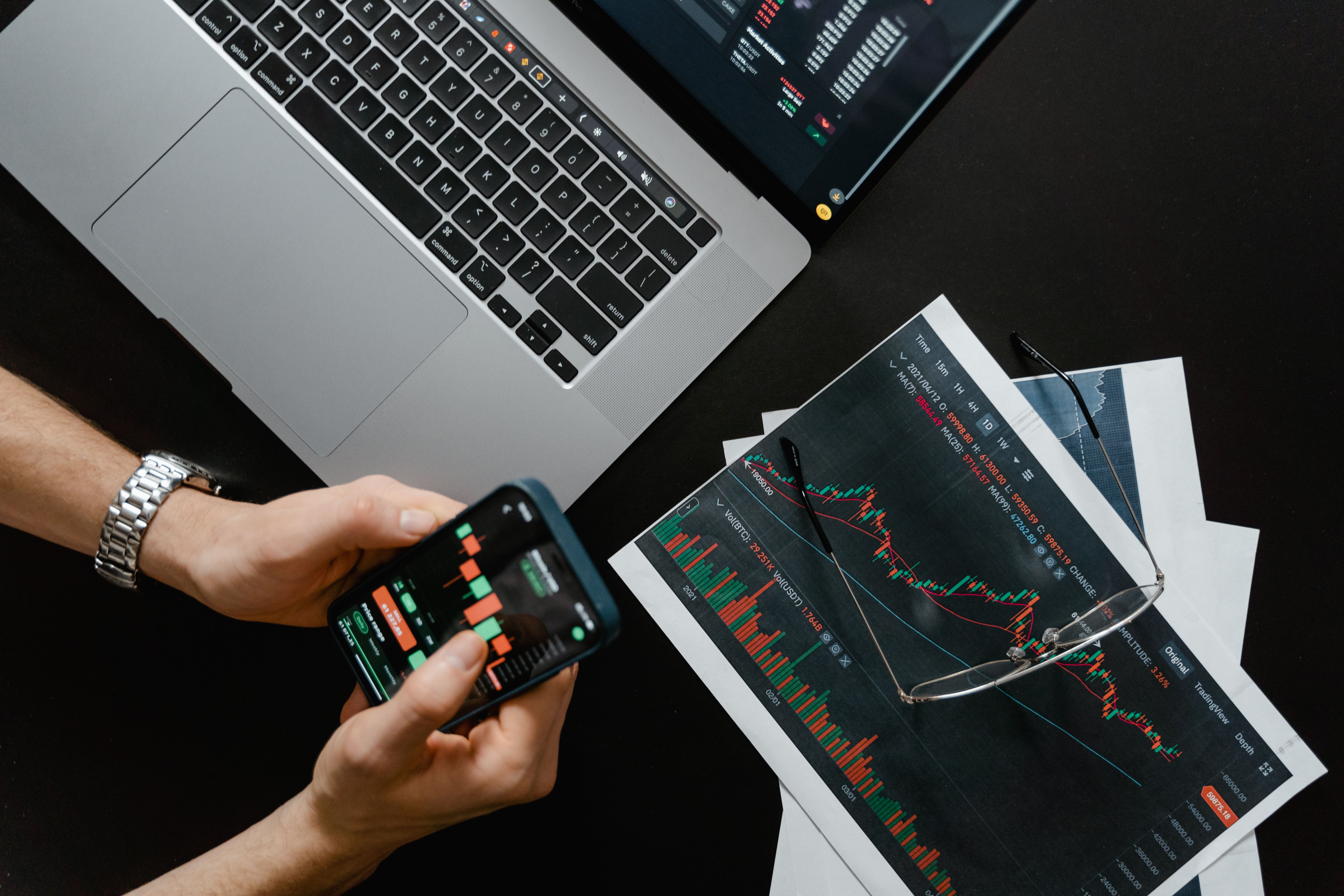
What is NFT? Non-Fungible Token Explained
Complete NFT guide covering blockchain technology, use cases (art, collectibles, gaming), marketplaces, how to buy/sell NFTs, valuation, risks, and future potential.

Is Now a Good Time to Buy Bitcoin? Market Analysis 2025
Bitcoin down 25% from highs: Is now the time to buy? Analyze halving cycles, institutional behavior, and sentiment indicators for informed Bitcoin investment decisions.
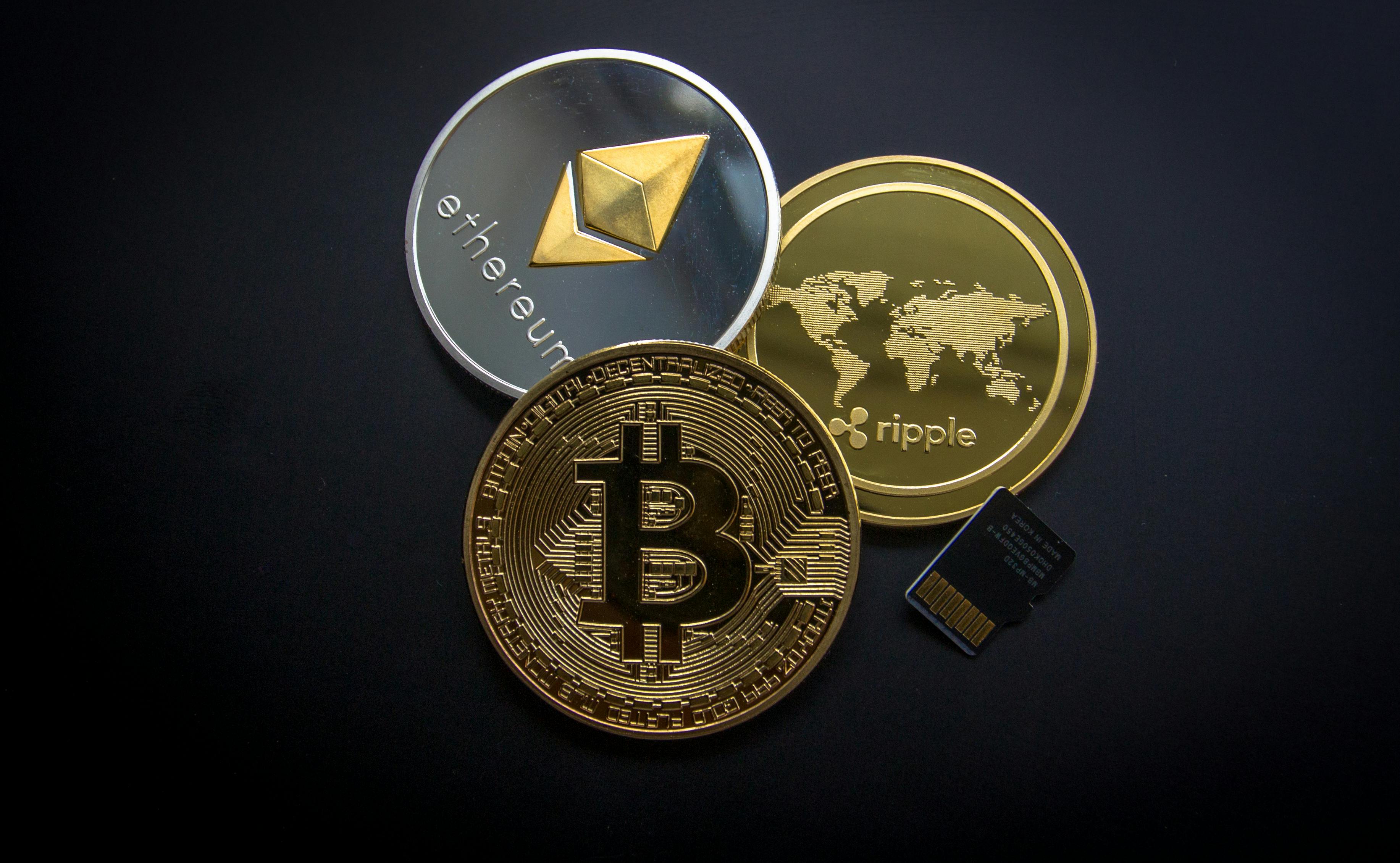
How Much Bitcoin Should I Own?
Determine your optimal Bitcoin allocation. Learn proven frameworks from 1% to 25%, risk management strategies, and how to size your position based on age, goals, and risk tolerance.